

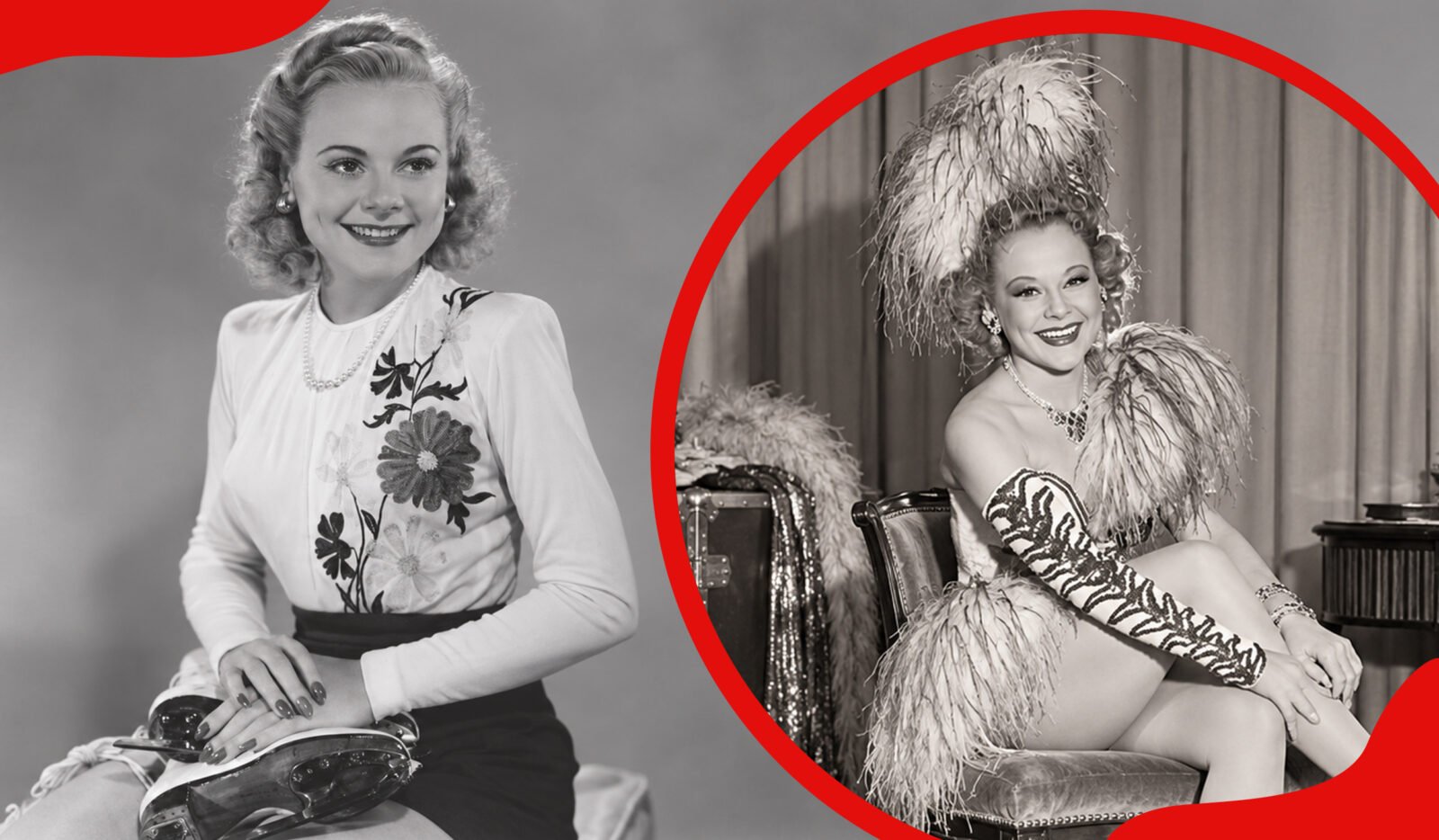
Sonja Henie was a Norwegian figure skater, Hollywood actress, and one of the most successful athletes of the twentieth century. She became internationally famous after winning three Olympic gold medals and ten consecutive World Figure Skating Championships. Her remarkable talent transformed women’s figure skating and helped introduce the sport to millions of people. However, her successful career came to a tragic end when she died at the age of 57.
The story behind Sonja Henie cause of death continues to attract interest among sports fans and people who remember her Hollywood career. Henie died from leukemia on October 12, 1969, while traveling aboard an ambulance aircraft from Paris to Oslo. Her final journey followed months of serious illness. Although her life ended earlier than many expected, her achievements in competitive skating, entertainment, and art collecting left a lasting influence on international culture.
Profile Summary
| Details | Information |
|---|---|
| Full Name | Sonja Henie |
| Date of Birth | April 8, 1912 |
| Date of Death | October 12, 1969 |
| Age at Death | 57 years |
| Birthplace | Kristiania, now Oslo, Norway |
| Nationality | Norwegian |
| Profession | Figure skater, actress, ice-show performer |
| Cause of Death | Leukemia |
| Height | 5 feet 1 inch (155 cm) |
| Father | Hans Wilhelm Henie |
| Mother | Selma Johanne Lochmann Nielsen |
| Brother | Leif Henie |
| First Husband | Dan Topping |
| Second Husband | Winthrop Gardiner Jr. |
| Third Husband | Niels Onstad |
| Children | None |
| Olympic Gold Medals | Three |
| World Championships | Ten |
| European Championships | Six |
| Hollywood Debut | One in a Million (1936) |
| Reported Fortune at Death | Approximately $47 million |
| Final Resting Place | Henie Onstad Art Centre, Norway |
Who Was Sonja Henie?
Sonja Henie was a Norwegian figure skater and actress who achieved extraordinary success in both sports and entertainment. Born in 1912, she began skating during childhood and quickly demonstrated remarkable natural ability. Her performances combined athletic precision with elegant movements inspired by ballet. By her teenage years, she had become one of the leading competitors in international figure skating. Her success eventually brought worldwide recognition and established her as an important figure in the development of modern skating.
After dominating amateur competitions, Henie retired from competitive skating in 1936 and pursued a career in Hollywood. She signed with Twentieth Century-Fox and appeared in several successful musical films that featured elaborate ice-skating performances. Her popularity extended beyond cinema through professional ice shows that attracted large audiences. Additionally, she became an art collector and helped establish an important cultural institution in Norway. These achievements made her one of the most recognizable Norwegian personalities of her generation.
Sonja Henie Cause of Death
Sonja Henie died from leukemia, a form of cancer affecting blood-forming tissues, on October 12, 1969. She was 57 years old at the time. Historical newspaper reports indicate that she had experienced serious health problems for several months before her death. Her condition deteriorated while she was staying in Paris, France, prompting arrangements for her return to Norway. Despite medical attention and efforts to transport her home, her illness had progressed significantly.
Her death occurred aboard an ambulance aircraft traveling from Paris to Oslo. Her third husband, Niels Onstad, accompanied her during the journey. Unfortunately, Henie died before the plane reached Norway. News of her passing received international attention because she had been a celebrated Olympic champion and Hollywood star. Her death marked the end of a career that had influenced professional ice skating, popular entertainment, and the presentation of figure skating to worldwide audiences.
What Illness Did Sonja Henie Have?
Sonja Henie suffered from leukemia, a serious disease involving abnormal blood cells. Some biographical accounts identify her illness more specifically as chronic lymphocytic leukemia, although contemporary reports generally described her condition simply as leukemia. The illness affects the body’s ability to produce healthy blood cells and can interfere with normal immune function. Historical reporting indicates that Henie had been seriously ill for approximately nine months before her death, with her health worsening during her final period in France.
Although Henie had enjoyed an active professional life, her illness increasingly affected her health during her final months. Her declining condition eventually required arrangements for medical transportation to Norway. Reports published after her death described her unsuccessful attempt to return home aboard an ambulance flight. The exact medical complications during that journey were not extensively detailed in contemporary public accounts. However, leukemia was consistently identified as the underlying illness responsible for her death.
Sonja Henie Final Days and Last Journey
During her final months, Sonja Henie was living with the effects of a serious illness while spending time in Europe. By October 1969, her condition had deteriorated enough that returning to Norway became a priority. Her husband, Niels Onstad, arranged an ambulance aircraft to transport her from Paris to Oslo. The journey was intended to bring her closer to home and medical care, but her health continued to worsen before the aircraft reached its destination.
Henie died on October 12, 1969, during the flight. Onstad was with her, making her final journey a deeply personal moment for the couple. International newspapers reported her death shortly afterward, recalling her achievements in figure skating and Hollywood. Although the circumstances of her passing were unusual, the medical cause was clear in historical reporting. Her death also came just over a year after the opening of the Henie Onstad Art Centre, one of her most meaningful cultural projects.
Sonja Henie Age and Early Life
Sonja Henie was born on April 8, 1912, in Kristiania, the Norwegian capital later renamed Oslo. She grew up in a financially comfortable family that encouraged sporting activities. Her father was a successful businessman and former champion cyclist, while her mother supported her early development. Henie displayed an interest in physical activities from childhood and began skating at a young age. Her brother, Leif, also played a role in introducing her to the sport that would eventually define her career.
Her natural ability became apparent as she received increasingly advanced training. Her family arranged professional skating instruction and ballet lessons to improve her movement and presentation. Because her competitive schedule required extensive travel and preparation, her education eventually included private tutoring. These opportunities allowed Henie to dedicate considerable time to skating. By the age of eleven, she had already qualified for the Olympic Games, demonstrating an exceptional level of achievement for such a young competitor.
Sonja Henie Family and Siblings
Sonja Henie’s father, Hans Wilhelm Henie, was a Norwegian businessman involved in the fur trade and a former world champion cyclist. Her mother, Selma Johanne Lochmann Nielsen, was closely involved in her upbringing. The family’s financial resources allowed Henie to receive specialized athletic coaching and participate in international competitions. Her parents supported her ambitions during a period when competitive figure skating required considerable personal investment. Their encouragement contributed significantly to her early success and international sporting career.
Henie had an older brother named Leif Henie, who introduced her to ice skating during childhood. Although they shared family experiences during their early years, their relationship later became strained. Biographical accounts describe disagreements involving personal and financial matters, particularly during the later stages of her life. Leif also contributed to historical accounts of his sister’s career. Despite these family difficulties, Henie’s upbringing and the opportunities provided by her parents remained important factors in her development as an internationally successful athlete.
Sonja Henie Olympic Career and Achievements
Sonja Henie made her Olympic debut at the 1924 Winter Games in Chamonix, France, when she was only eleven years old. Although she finished eighth, the competition provided valuable international experience. Her performances improved rapidly over the following years, and she won her first World Figure Skating Championship in 1927. At the 1928 Winter Olympics in St. Moritz, Switzerland, she captured her first Olympic gold medal. She was only fifteen years old, making her victory an extraordinary achievement.
Henie continued dominating women’s figure skating throughout the early 1930s. She successfully defended her Olympic title at Lake Placid in 1932 and won a third gold medal at Garmisch-Partenkirchen in 1936. Between 1927 and 1936, she captured ten consecutive world titles, along with six consecutive European championships from 1931 to 1936. Her consistency established a remarkable competitive record. Following her third Olympic victory, Henie retired from amateur skating and redirected her talents toward professional entertainment.
Sonja Henie Hollywood Career and Famous Movies
After retiring from amateur competition in 1936, Sonja Henie moved into the entertainment industry and signed a film contract with Twentieth Century-Fox. Her first major Hollywood production, One in a Million, was released that year and introduced her to movie audiences. The film combined comedy, romance, music, and skating performances, creating a successful formula for her subsequent productions. Her popularity attracted viewers who admired both her athletic ability and her screen presence.
During the following years, Henie appeared in several films featuring elaborate skating sequences. Her notable productions included Thin Ice, My Lucky Star, Second Fiddle, Sun Valley Serenade, and Iceland. These movies helped establish ice skating as a popular form of screen entertainment. Beyond acting, she organized professional ice shows that brought theatrical skating performances to large audiences. Her success allowed her to earn substantial income and develop a career that extended far beyond competitive sports.
Sonja Henie Husband and Marriage History
Sonja Henie married three times during her lifetime. Her first husband was American businessman and sports executive Dan Topping, whom she married in 1940. Their marriage ended in divorce in 1946. In 1949, she married Winthrop Gardiner Jr., another American businessman. That relationship also ended in divorce in 1956. Her marriages occurred during different stages of her professional career, including her years as a Hollywood performer and her later involvement in business and cultural activities.
In 1956, Henie married Norwegian shipping businessman and art collector Niels Onstad. Their shared appreciation for modern art became an important part of their relationship. Together, they developed a collection of paintings and other artworks that contributed to the establishment of the Henie Onstad Art Centre in Norway. Onstad remained her husband until her death in 1969 and accompanied her during her final flight from Paris. Their partnership also left a cultural legacy through the museum they helped create.
Did Sonja Henie Have Children?
Sonja Henie did not have children during her lifetime. Although she married three times, historical biographical accounts do not record any children from her marriages. Much of her adult life involved extensive professional commitments, including Hollywood film productions, international skating exhibitions, and later activities involving business and art. Her career required significant travel and public appearances, particularly during the years when she was among the most recognizable skating personalities in the world.
Her personal legacy therefore developed primarily through her professional achievements and cultural contributions. In addition to winning major international championships, she helped popularize professional figure skating and supported the establishment of a significant Norwegian art institution. Her work influenced athletes, performers, and audiences long after her death. While her family life remained relatively private compared with her public career, her accomplishments in sports and entertainment became central to how she is remembered.
Sonja Henie Height and Skating Style
Sonja Henie stood approximately 5 feet 1 inch tall, equivalent to 155 centimeters. Historical Olympic records also list her competitive weight at approximately 45 kilograms. Her relatively small physical stature did not prevent her from becoming a dominant international athlete. Instead, she developed a skating style that emphasized precision, graceful movement, and confident presentation. Her early ballet training contributed to her ability to combine technical skating elements with artistic expression.
Henie also influenced the visual presentation of women’s figure skating. She became associated with shorter skating costumes and white skating boots, helping establish styles that later became common in competitive performances. Her routines incorporated carefully arranged movements designed to appeal to both judges and spectators. These innovations contributed to her popularity during competitions and later became valuable elements of her professional ice shows, where theatrical presentation played an especially important role.
Sonja Henie Net Worth and Financial Success
Sonja Henie accumulated considerable wealth through competitive fame, Hollywood film contracts, professional ice shows, and financial investments. Her transition from amateur athlete to professional entertainer created opportunities that were uncommon for female competitors during her era. Her movies generated considerable public interest, while her skating exhibitions attracted paying audiences across different countries. As her career developed, she became one of the most financially successful sports personalities of the twentieth century.
A historical Los Angeles Times retrospective reported that Henie’s fortune was approximately $47 million when she died in 1969. This figure represents a reported historical estimate rather than an independently audited financial statement. Her wealth was associated with years of entertainment earnings, investments, and valuable assets. Alongside her professional success, she and Niels Onstad assembled an important modern art collection. Their financial resources helped support the museum that continues to preserve their cultural contributions.
Sonja Henie Lifestyle and Love for Art
Sonja Henie enjoyed a lifestyle shaped by international travel, entertainment, sporting success, and artistic interests. During her Hollywood years, she attended prominent social events and maintained relationships with figures from the film industry. Her professional ice shows also required frequent travel, allowing her to perform before audiences in different cities. Over time, her interests expanded beyond entertainment as she became increasingly involved in collecting modern and contemporary art.
Her marriage to Niels Onstad strengthened this interest, and the couple began developing a substantial private art collection. Together, they established the Henie Onstad Art Centre in Høvikodden, near Oslo, which officially opened in August 1968. The institution became an important location for exhibitions, cultural activities, and the preservation of modern art. Henie’s involvement in the project demonstrated that her ambitions extended beyond personal success, allowing her to contribute to Norway’s cultural heritage.
Where Was Sonja Henie Buried?
Following her death on October 12, 1969, Sonja Henie was laid to rest at the grounds of the Henie Onstad Art Centre in Høvikodden, Norway. The location holds particular significance because she and her husband had helped establish the institution shortly before her death. Her burial site connects her memory with the modern art collection and cultural activities that became increasingly important during the later years of her life.
Niels Onstad died in 1978 and was also buried at the art centre. Their shared resting place reflects their long-term commitment to supporting artistic development in Norway. Today, the museum continues operating as a cultural institution, presenting exhibitions and maintaining connections to its founders. Visitors interested in Henie’s life can explore aspects of her artistic interests and sporting achievements through the institution’s collections and historical materials.
Sonja Henie Lasting Legacy in Figure Skating
Sonja Henie’s influence on figure skating remains significant decades after her death. Her three Olympic gold medals and ten consecutive world championships established records that demonstrated an extraordinary level of competitive consistency. She also helped transform women’s figure skating by emphasizing artistic presentation alongside technical performance. Her costumes, choreography, and performance style influenced how skating was presented to audiences and became part of the sport’s development during the twentieth century.
Her contributions extended beyond competitive skating through Hollywood films and professional ice shows. By bringing skating into popular entertainment, she introduced the activity to audiences who might never have attended sporting competitions. Additionally, her involvement in creating the Henie Onstad Art Centre left a cultural legacy in Norway. Although leukemia ended her life at 57, her accomplishments continue to be recognized in Olympic history, film archives, and discussions about the evolution of figure skating.
Final Thoughts
Sonja Henie’s cause of death was leukemia, which ended her life on October 12, 1969, when she was only 57 years old. She died aboard an ambulance aircraft while returning from Paris to Norway with her husband, Niels Onstad. Her final months were marked by serious illness, bringing an unexpected end to the life of a woman who had achieved international success in sports, entertainment, and art.
Despite her early death, Henie’s achievements remain remarkable. She won three Olympic gold medals, became a ten-time world champion, established a successful Hollywood career, and helped create a major Norwegian art museum. Her life demonstrated how athletic talent could develop into opportunities across different industries. Today, she is remembered as a pioneering figure skater whose influence reached far beyond the ice.
Continue To Read More Stories: Who Is David Mendenhall? His Net Worth, Family, and Career
FAQs
What was Sonja Henie’s cause of death?
Sonja Henie died from leukemia on October 12, 1969. The illness had seriously affected her health during the months leading up to her death.
How old was Sonja Henie when she died?
Sonja Henie was 57 years old. She was born on April 8, 1912, and died on October 12, 1969.
Where did Sonja Henie die?
She died aboard an ambulance aircraft traveling from Paris, France, to Oslo, Norway. Her husband, Niels Onstad, accompanied her during the flight.
Who was Sonja Henie’s husband?
Her third and final husband was Norwegian businessman and art collector Niels Onstad. They married in 1956 and remained together until her death.
How many Olympic gold medals did Sonja Henie win?
Sonja Henie won three Olympic gold medals in women’s figure skating at the 1928, 1932, and 1936 Winter Olympics.